About Pharma4Ghana
A foundation built on the belief that education is the most powerful tool for transforming lives.
Our Story
Stichting Pharma4Ghana was founded in 2026 by four Dutch pharmacists. Our shared passion for pharmacy and our drive to contribute to education in Ghana brought us together. What began as a modest initiative to provide financial support to a handful of students has grown into a foundation that makes a fundamental contribution to educational opportunities for the pharmaceutical care professionals of the future.
We work together with the Health Access Institute in Accra, an educational institution that trains pharmacy assistants. Together, we strengthen this education.
Our Team
Dedicated pharmacists from the Netherlands, united by a passion for education.
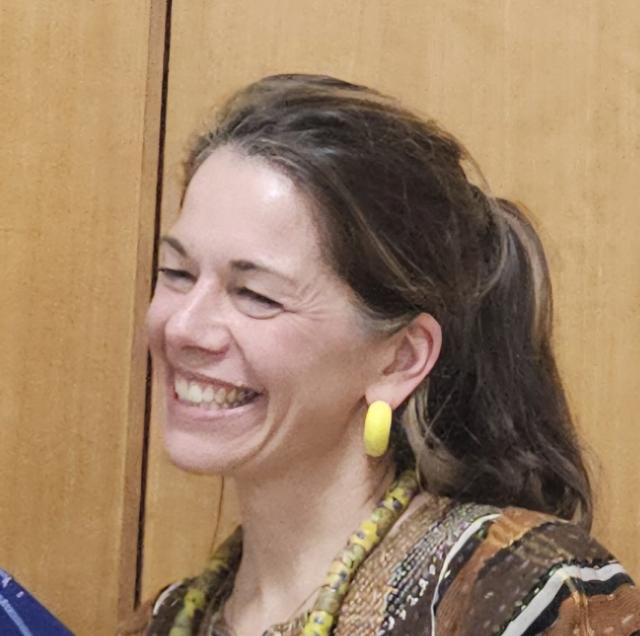
Barbara Maat
Chair
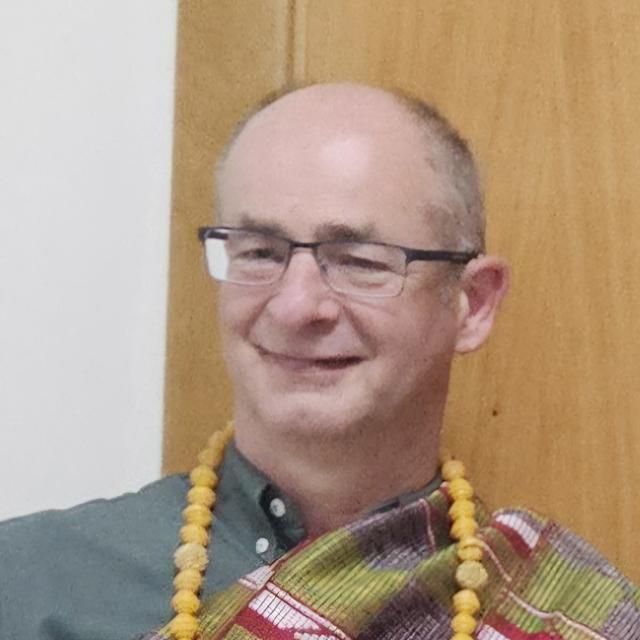
Hans Ros
Secretary
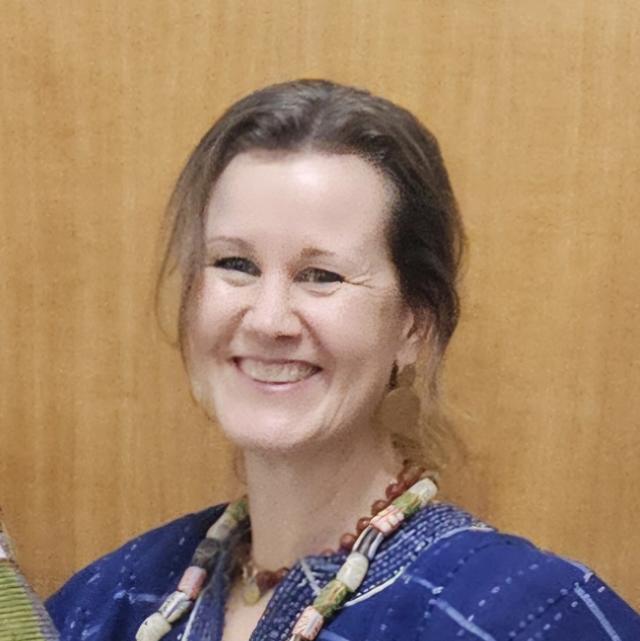
Trea Keizer
Treasurer
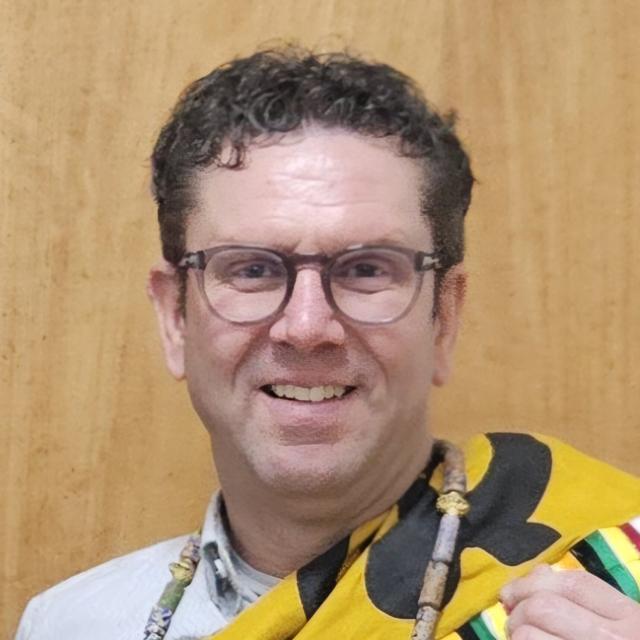
Bjorn Brassé
Member
Our Values
Practice-Oriented Education
Education that aligns with practical experience. For example, case-based lessons and project-based learning, complementing theoretical knowledge. We strive to ensure that students are optimally prepared for their roles in healthcare.
Sustainability
Focus on long-term impact. We work closely with local educational and healthcare institutions to ensure that we create sustainable and meaningful changes.
Accessibility
Education for every student. We believe that every motivated student should have the same opportunities. As graduated healthcare professionals, they contribute to their communities and the healthcare system in Ghana.
Partnership
Collaborating based on respect and trust. We prioritize local values and work together to achieve common goals.
Our Governance
The board of the Pharma4Ghana Foundation consists of four people. The foundation raises funds through donations from individuals and companies, grants, initiatives, campaigns, gifts, and legacies. The foundation's assets are managed by the board and used exclusively to achieve its objectives.
Funds are spent on scholarships for students and direct support for educational activities in Ghana. Organizational costs, such as administration and logistics, are kept to a minimum. Board members receive no remuneration for their work. Reimbursement is possible only for expenses incurred.
Downloads